
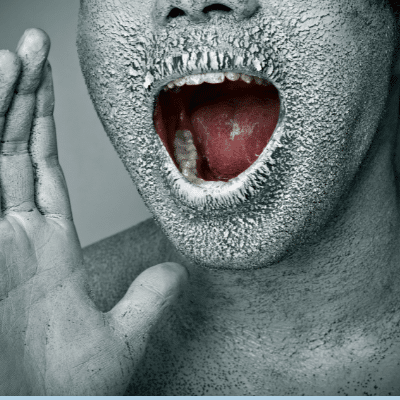
Do you have a dry or sticky mouth? A sore throat, especially in the morning? Bad breath? All of these may be indications of dry mouth or xerostomia. Xerostomia is when your salivary glands stop making enough saliva.
 What Causes Dry Mouth?
There are five common causes:
- Side effects of certain medications. A wide variety of medications can cause it, including antihistamines and antidepressants. Many anti-nausea meds, including scopolamine, can also cause it.
- Aging. As we get older, our salivary glands may become less efficient, causing our mouths to dry out.
- Radiation therapy for cancer.
- A medical condition that affects saliva production. The following conditions are known to cause or worsen dry mouth: Hypothyroidism (all kinds), hyperthyroidism, diabetes, Alzheimer’s, autoimmune diseases and yeast infections in your mouth.
- Certain recreational drugs. It can be caused by alcohol, smoking or chewing tobacco and smoking or chewing marijuana. Severe dry mouth is associated with methamphetamine use.
Dry mouth can cause mouth sores, cracked lips, and overall problems with your teeth and gums.
How To Treat Dry Mouth?
The treatment of dry mouth depends in part on the cause. For example, if it appears to be caused by long-term medication, you should talk to your doctor about possible alternatives. In some cases, alternatives may not be available and you will have to talk to your dentist.
If your dry mouth is caused by a medical condition, treating the underlying condition should eliminate or reduce the issue. With chronic diseases such as hypothyroidism or diabetes, keeping your condition under control can be helpful, but you may still need help from your dentist.
If you smoke, try to quit. The same goes for recreational drugs. Moderate your consumption of alcohol, especially if you find dry mouth worsens after spending time at a party or in a bar.
There are some over-the-counter products that can help with dry mouth. It’s worth trying a mouthwash designed specifically for the condition before talking to your dentist. Other things worth trying include:
- Reducing caffeine intake.
- Chewing sugar-free gum. Chewing gum stimulates sugar production.
- If you use an alcohol-based mouthwash, switch to one which does not include alcohol.
- Stay hydrated.
- Avoid over-the-counter antihistamines and decongestants unless you really need them.
- Try to breathe through your nose instead of your mouth.
- Use a room humidifier in your bedroom.
How Can Your Dentist Help?
If you have dry mouth, your dentist can help in a number of ways:
- Fluoride gel toothpaste. This is similar to the toothpaste some dentists use instead of fluoride washes, so it will also help with tooth decay in general. In general, this toothpaste should be used at night and you do not rinse afterward (symptoms tend to worsen at night and can interfere with sleep).
- Prescription mouthwash. If over-the-counter mouthwashes help, but not enough, your dentist may have stronger options for you.
- Artificial saliva. This may be recommended, especially for cancer patients and those who have chronic conditions.
- Pilocarpine or cevimeline. These medications help stimulate saliva production and help many patients.
Your dentist may also recommend additional measures to help protect your teeth. This might include more frequent cleaning, using fluoride trays or a chlorhexidine rinse. All of these can help reduce the damage dry mouth symptoms do to your teeth and gums. Your dentist will work with you on the best way to control your dry mouth and prevent it from causing long-term oral health issues. They may need to try more than one of the treatments above to help you get things under control.
Dry mouth is annoying, but it is perfectly treatable and your dentist can help you control the symptoms and reduce the health issues that can come from it.
To schedule your next dental checkup, call our office at 757-873-9000 or visit our website to request an appointment! Thank you for being a part of the Denison Dentistry family, and we look forward to seeing you soon!

